

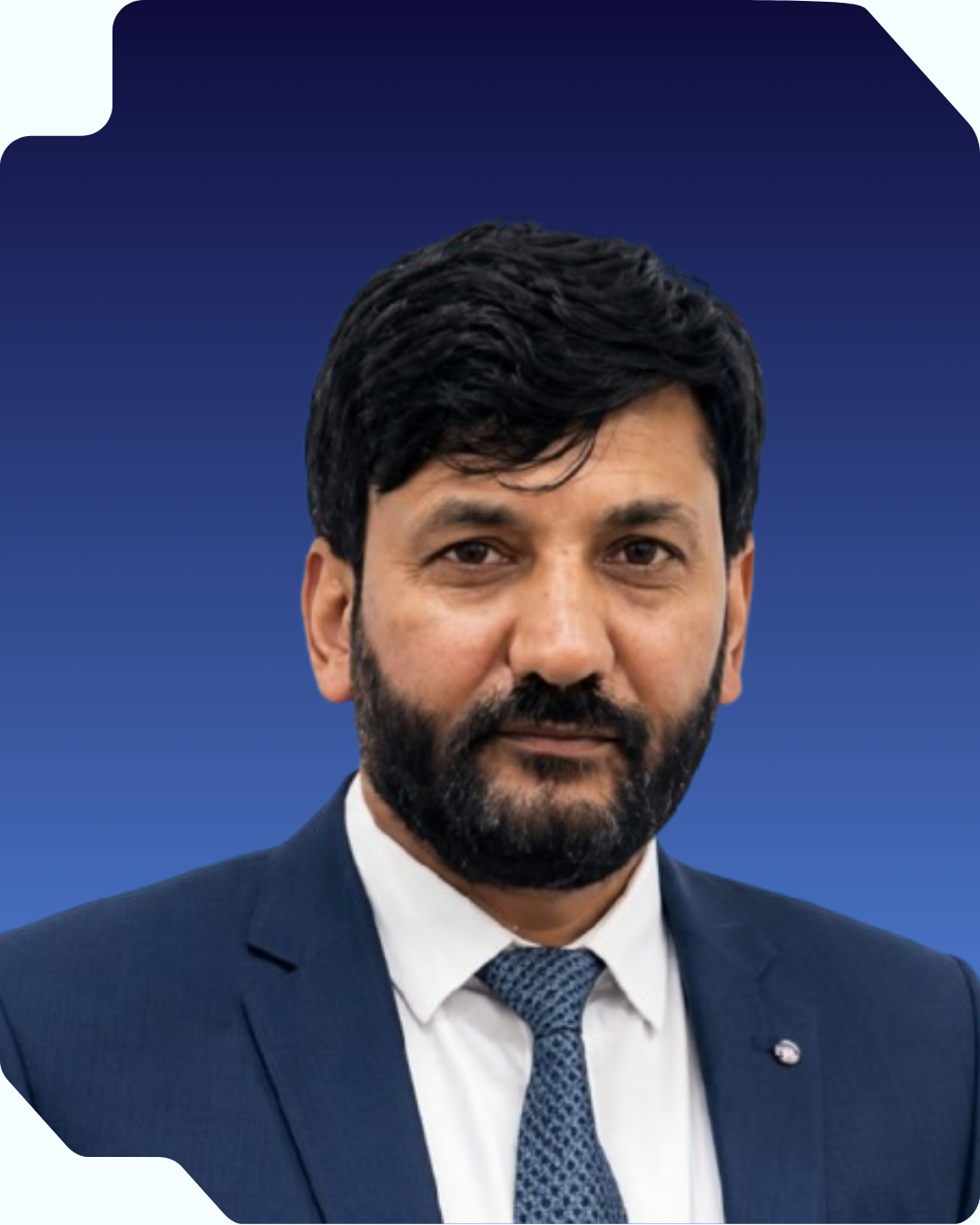
Proposed Role: Principal Scientist (R3-B) & Founding Director
Primary Domain: Computational Healthcare Intelligence, Systems Biology & AI
Potential Contribution: Strategic leadership in computational healthcare research, systems biology modeling, AI-driven biomedical control, computational cancer research, federated learning, virtual lab of agentic system development, interdisciplinary collaboration, and early-career researcher mentorship within the Lab.
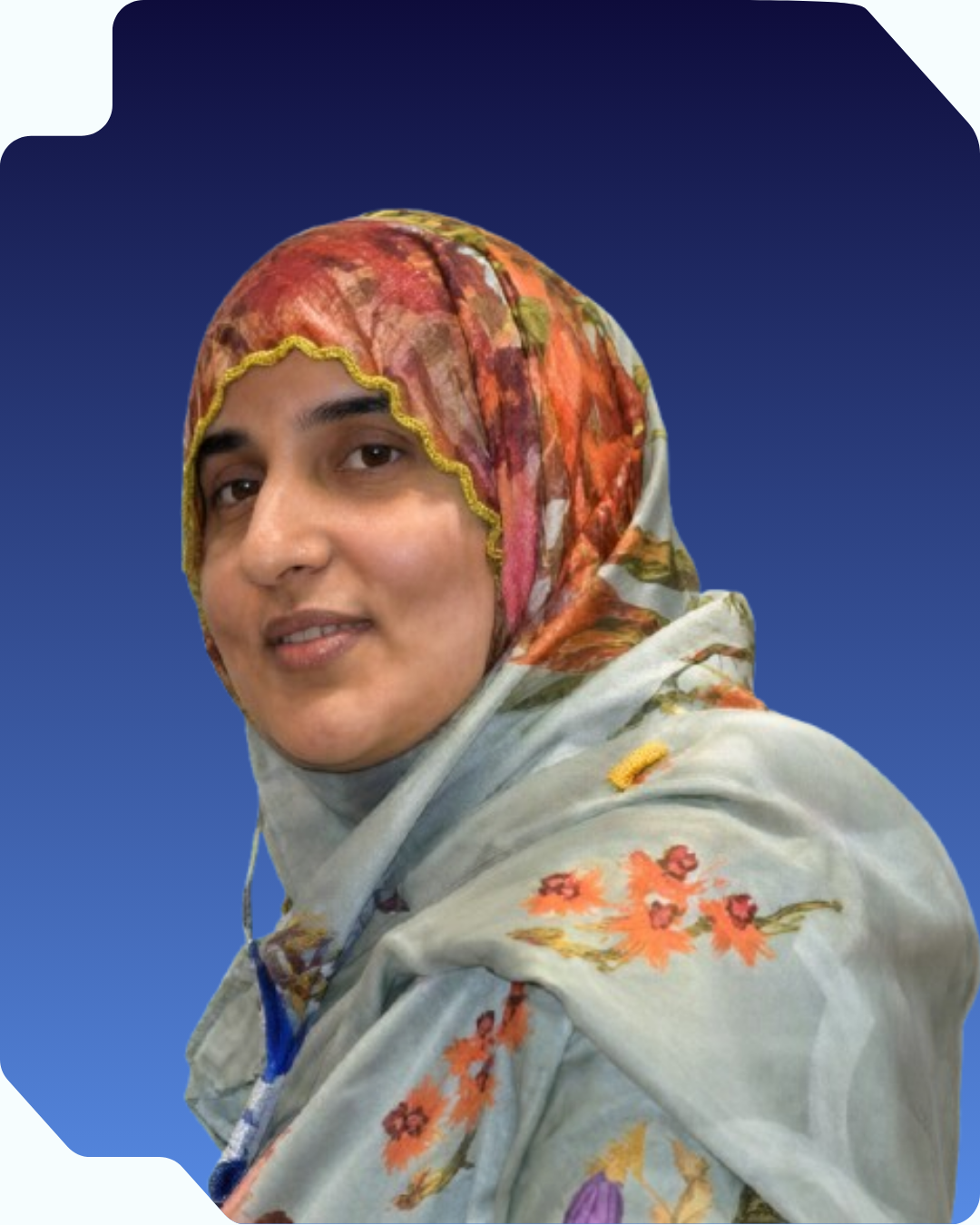
Proposed Role: Principal Scientist (R3-A)
Primary Domain: Computational Drug Discovery & Antibody Engineering
Potential Contribution: Antibody modeling, structure-based drug design, computational pharmaceutical research, medicinal chemistry, and AI-driven biomedical innovation within the Lab.

Proposed Role: Senior Scientist (R2-B)
Primary Domain: Bioinformatics & Computational Biology
Potential Contribution: Multi-omics, genomics, reproducible research, AMR surveillance, and machine learning for biomedical applications.

Proposed Role: Senior Scientist (R2-C)
Primary Domain: Intelligent Biomedical Control & Computational Systems Engineering
Potential Contribution: Intelligent therapeutic optimization, biomedical control systems, reinforcement learning, scientific machine learning, cancer therapy modeling, and computational approaches for glucose regulation.
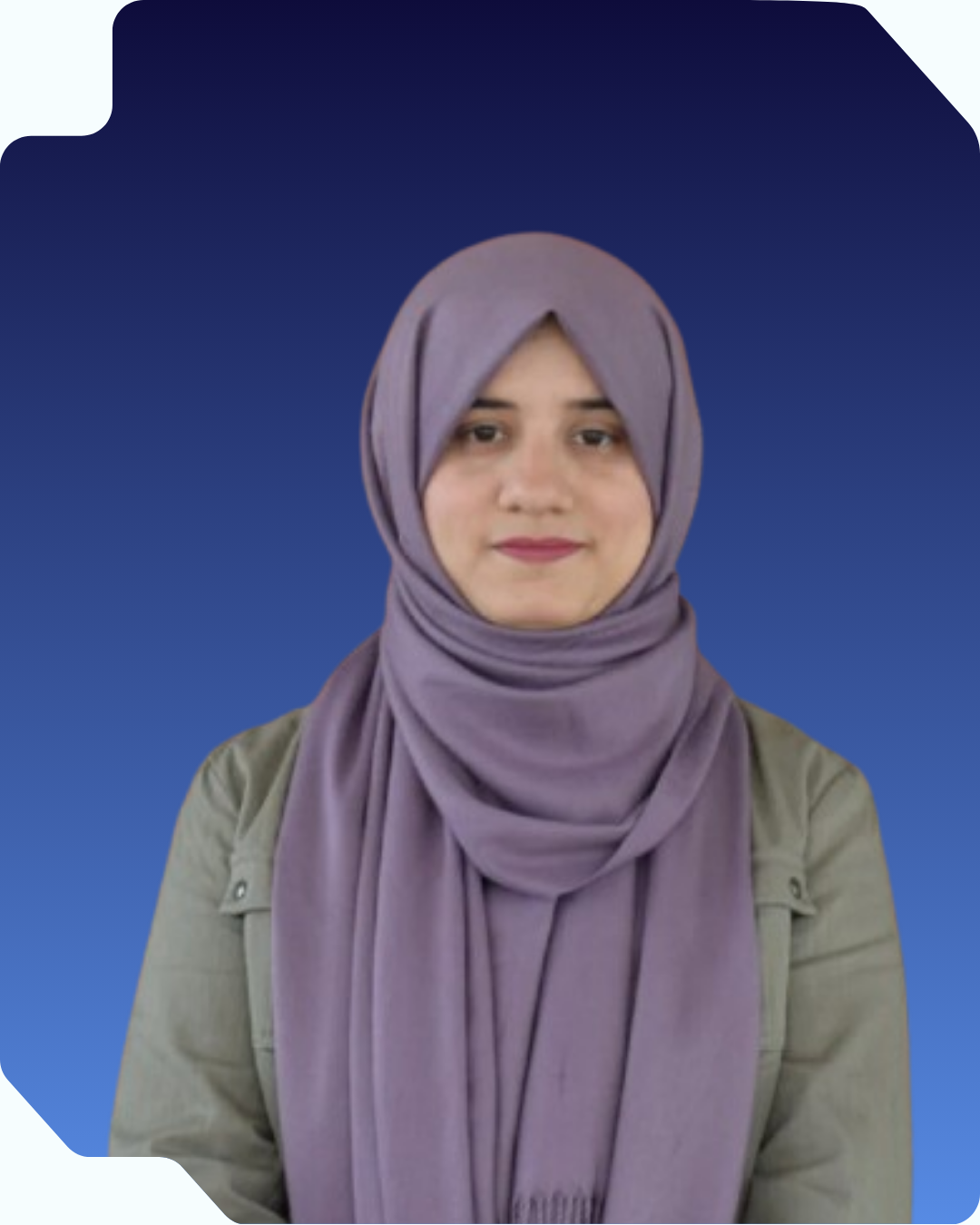
Proposed Role: Junior Research Scientist (R1-C)
Primary Domain: Bioinformatics & Computational Biology
Potential Contribution: Bioinformatics analysis, genomic/transcriptomic research, computational workflows, and data-driven biomedical research.

Proposed Role: Junior Research Scientist (R1-A)
Primary Domain: Computer Science & Artificial Intelligence
Potential Contribution: AI-driven research support, computational workflow development, programming and automation, data analysis, and collaborative computational research.
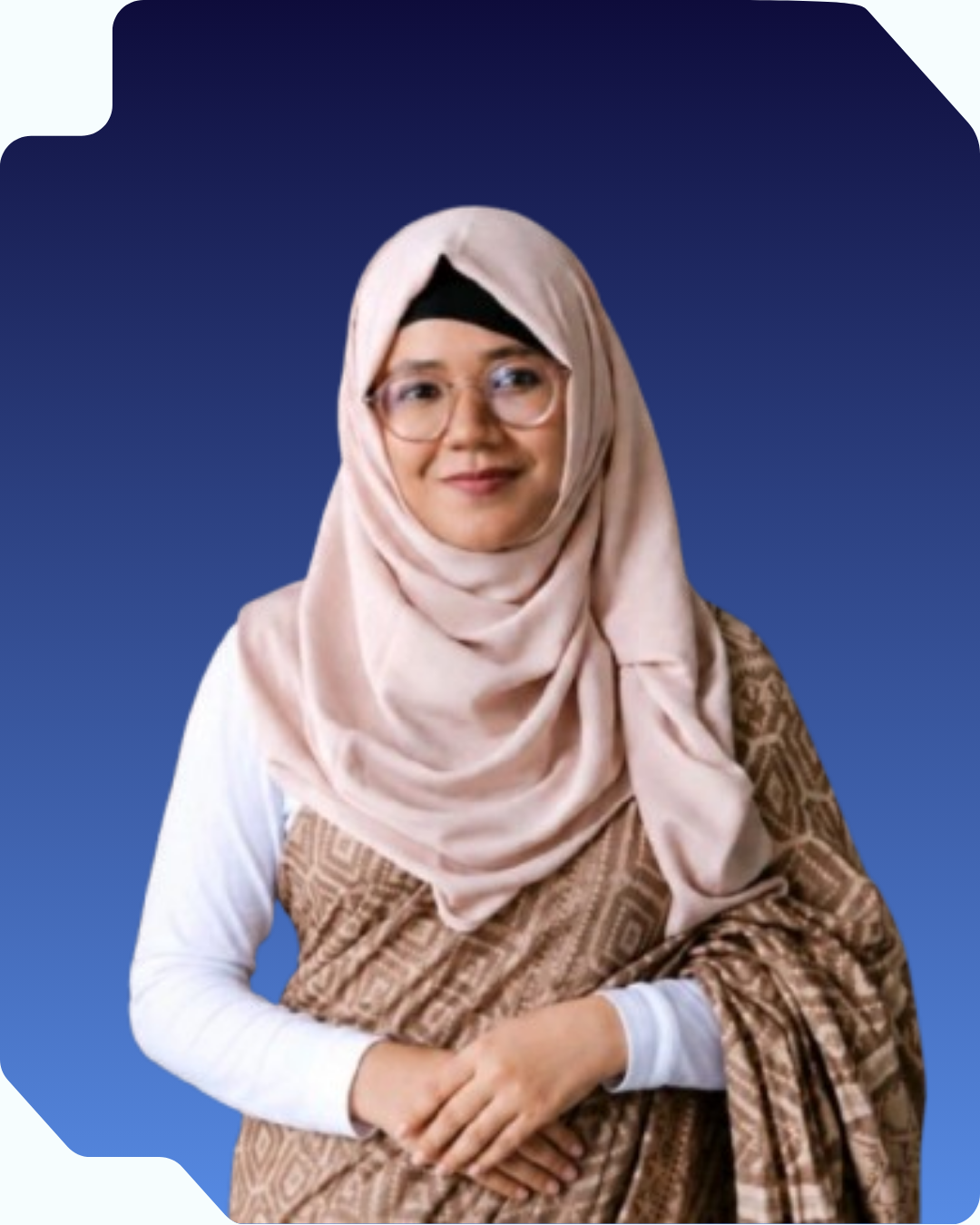
Proposed Role: Early Career Researcher (ECR1-C)
Primary Domain: Artificial Intelligence, Machine Learning & Computational Biology
Potential Contribution: Medical AI, multimodal computational biology, federated learning, LLMs/RAG, biomedical data analysis, cancer research, and privacy-preserving AI systems

Proposed Role: Early Career Researcher (ECR1-C)
Primary Domain: Artificial Intelligence, Biomedical AI & Computational Biology
Potential Contribution: Multimodal cancer-cell analysis, scRNA-seq research, medical LLMs/RAG, federated learning, biomedical data analysis, and privacy-preserving AI for computational cancer research.

Proposed Role: ECR1-B